

Project walkthrough · Craftsmanship step by step
Illustrative project walkthrough. It is almost moving day in Los Angeles, and the box with the spare keys has disappeared behind the things headed for storage. Packing for storage starts with two piles. One is for what you need during the move. The other is for what can stay packed until you are ready to settle in. That small decision changes how you label, protect, and load everything that follows.
In this guide
Choosing the Right Storage Space in Los Angeles: Climate, Security, and Layout Tips: packing for storage
Before packing, identify where your items will be stored. In Los Angeles, options include climate-controlled rental storage units, home basements, attics, or office storage rooms. Each location has distinct environmental factors: attics can become very hot in summer, while basements may be humid. Measure your storage space accurately in square feet to ensure your packed items will fit comfortably. Knowing the space helps you decide on the size and type of containers you'll need and plan the packing sequence accordingly.
When choosing the right storage space in Los Angeles, ask about the facility's climate control features and security measures. For example, inquire if the unit has temperature and humidity regulation, which is crucial for protecting sensitive items like antiques or electronics. Also, check the facility’s access hours and whether it offers 24/7 surveillance or gated entry. These factors impact both the safety and convenience of your storage experience. Remember, a well-measured space that fits your belongings without overcrowding reduces the risk of damage and makes retrieval easier.
Consider the tradeoff between location convenience and cost. Storage units closer to central Los Angeles may be pricier but offer easier access, which is beneficial if you need frequent retrieval. Conversely, units farther away might be more affordable but less accessible. For example, if you plan to store items long-term without regular access, a more distant, climate-controlled unit could be a better value. Always verify the exact dimensions and layout of the unit to ensure your packed items will fit comfortably, avoiding last-minute surprises.
When measuring your storage space, also consider the layout and accessibility inside the unit. For example, narrow aisles or irregular shapes can limit how you stack and arrange boxes, so plan your packing sequence to accommodate these constraints.
A common mistake is underestimating the volume of your belongings, leading to overcrowded units that increase damage risk. To avoid this, create a rough inventory and estimate box sizes before selecting your storage space.
Selecting Storage Options: Movable Containers vs. Self-Storage Units
Storage options generally fall into two categories: movable storage containers and self-storage units. Movable containers are ideal if you anticipate relocating your items soon, as they can be transported easily. Self-storage units, often found in rental facilities, provide easy access and are suitable for longer-term storage without frequent item retrieval. Consider your storage timeline and access needs carefully when choosing between these options to avoid unnecessary handling and potential damage.
When deciding between movable storage containers and self-storage units, clarify your expected frequency of access and duration of storage. Ask the provider how easy it is to schedule container pickups or deliveries and whether there are additional fees for transportation. For instance, if you anticipate needing to access your items monthly, a self-storage unit with onsite access might be preferable to avoid repeated container moves.
Be aware of limitations such as container size and weight restrictions, which can affect what and how much you can store. Movable containers may also be less secure if left outside for extended periods. A hypothetical example: if you plan to move across states within a few months, a movable container offers convenience, but for a year-long storage in Los Angeles, a self-storage unit with climate control and onsite access could better protect your belongings.
If you choose movable containers, inspect the container’s condition before use, checking for leaks or structural damage that could expose your items to weather or pests during transport or storage.
Keep in mind that self-storage units often require you to transport your items yourself, so factor in the effort and equipment needed, such as dollies or carts, especially for heavy or bulky items.
Understanding and Managing Storage Hazards in Los Angeles Climate
Los Angeles’s climate presents specific challenges. Heat in attics can warp or fade sensitive items like photographs, paintings, and electronics. Humidity in basements can encourage mold growth and wood warping, affecting furniture and paper goods. Pest infestation is another risk, especially for wooden furniture and textiles. Identifying these hazards early allows you to select appropriate packing materials and storage locations. For example, avoid cardboard boxes in humid areas and use pest-resistant containers or treatments when necessary.
To manage storage hazards effectively, conduct a thorough inspection of your chosen storage space before packing. Check for signs of moisture, such as water stains or musty odors, which indicate humidity issues. Ask the facility about their pest control policies and frequency of treatments. For example, if you notice spider webs or rodent droppings, it’s a red flag that the space may not be suitable for delicate furniture or textiles.
Understand that some hazards are seasonal and may require additional precautions. For instance, Los Angeles summers can cause attic temperatures to soar, risking damage to heat-sensitive items. A tradeoff example: storing antiques in a basement might protect from heat but expose them to humidity, so using moisture absorbers and pest-resistant containers becomes essential. Always balance the risks and choose storage materials accordingly.
Inspect your storage unit periodically if possible, especially during seasonal changes, to catch any developing issues like moisture buildup or pest activity early.
Use moisture absorbers like silica gel packs or dehumidifiers in enclosed spaces to help control humidity, particularly in basements or garages prone to dampness.

Choosing Durable and Climate-Appropriate Packing Materials
Cardboard boxes are versatile and economical but can deteriorate in humid or hot environments. For Los Angeles storage, plastic bins with tight-fitting lids offer better protection against moisture and pests, especially in basements or garages. Wooden crates provide sturdy protection for heavy or fragile items but may not be ideal in hot attics due to heat retention. Metallic containers are generally not recommended for hot spaces as they can exacerbate temperature extremes. Use acid-free tissue paper for delicate items and bubble wrap for fragile glassware or artwork.
When selecting packing materials, ask suppliers about the durability and suitability of different container types for Los Angeles’s climate. For example, confirm that plastic bins have airtight lids to keep out moisture and pests. Also, inquire if the materials are reusable or recyclable, which can be a consideration for environmentally conscious movers.
Consider the tradeoffs between cost, protection, and ease of handling. Cardboard boxes are affordable and lightweight but less durable in humid conditions, while plastic bins offer better protection but are heavier and more expensive. For fragile antiques, combining acid-free tissue paper with bubble wrap inside sturdy plastic containers can provide optimal protection. Always test packing materials with a few items first to ensure they meet your needs before committing to large quantities.
For fragile antiques, consider double-layer protection: wrap items first in acid-free tissue paper, then bubble wrap, and finally place them in sturdy plastic bins to guard against both physical damage and environmental factors.
Avoid using metallic containers in direct sunlight or unventilated spaces, as metal can heat up quickly and cause temperature spikes harmful to sensitive items.

Crafting an Efficient Packing and Arrangement Strategy for Storage
Start packing by grouping items based on how often you’ll need access. Store rarely used items in the furthest corners of the storage space. When stacking boxes, place the heaviest at the bottom and lighter ones on top to prevent crushing. Fill gaps with smaller items to maximize space and prevent shifting. Label each box clearly with contents and destination within the storage unit. For fragile items, pack with cushioning materials and avoid overpacking boxes to reduce pressure. This thoughtful arrangement preserves item integrity and makes retrieval easier.
An efficient packing strategy includes creating an inventory list as you pack, noting box contents and their location in the storage unit. This helps avoid unnecessary unpacking later. Ask yourself which items you might need access to during storage and pack those last for easy retrieval. For example, seasonal decorations or important documents should be more accessible than rarely used furniture.
Be mindful of weight distribution to prevent damage. Avoid overpacking boxes, especially with fragile items, to reduce pressure and potential breakage. Use smaller boxes for heavy items like books and larger boxes for lighter items like linens. A practical example: stacking heavy boxes on the floor and lighter ones on top preserves box integrity and makes the storage space safer and more organized.
When labeling boxes, include not only the contents but also any special handling instructions, such as 'Fragile' or 'Keep Upright,' to guide movers and yourself during stacking and retrieval.
Consider creating a simple map or diagram of your storage unit layout, marking where each box or item is placed. This visual aid can save time and frustration when you need to find something later.
Preparing Items Properly for Long-Term Storage
Clean and dry all items thoroughly before packing to prevent mold and mildew. Disassemble large furniture if possible to save space and reduce damage risk. Wrap wooden furniture in breathable covers to protect against dust and pests without trapping moisture. Electronics should be stored in their original packaging if available, or cushioned well to avoid shocks. Avoid storing perishable or flammable items, as these are typically prohibited in storage facilities. Taking these preparatory steps ensures your belongings remain in good condition throughout storage.
Before packing for long-term storage, verify that all items are completely dry and clean to prevent mold growth. For example, storing damp clothing or furniture can lead to mildew that damages your belongings and creates unpleasant odors. Ask about breathable covers for wooden furniture to protect against dust while allowing air circulation, which is vital in Los Angeles’s variable humidity.
Consider the limitations of storing electronics long-term; batteries should be removed to prevent corrosion, and devices should be stored in cushioned, static-free packaging. Avoid storing perishable or hazardous materials, as these are often prohibited and can pose safety risks. A tradeoff example: disassembling furniture saves space but requires careful labeling and hardware storage to ensure easy reassembly later.
For electronics, remove batteries to prevent corrosion and store devices in anti-static bags if possible. Label cords and accessories separately to avoid confusion during unpacking.
When disassembling furniture, keep all screws, bolts, and small parts in clearly labeled bags taped to the corresponding furniture piece to ensure easy reassembly.
Finalizing Your Storage Plan with Professional Moving Support
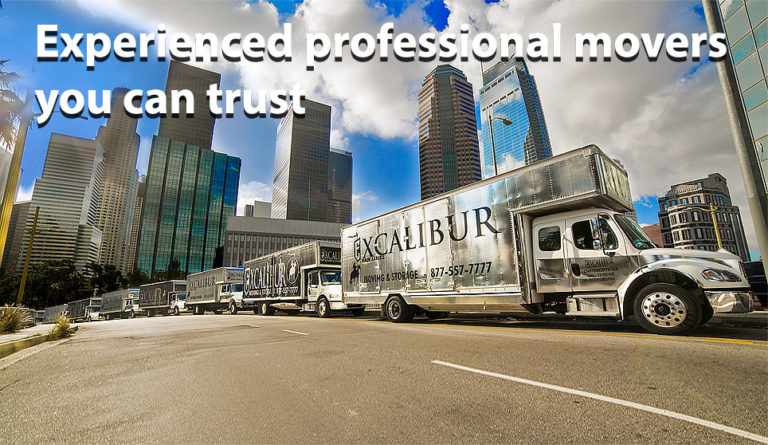
Once packed, consider professional moving and storage services in Los Angeles to handle transportation and storage setup. Experienced movers like Excalibur Van Lines understand local climate challenges and offer secure, weatherproof storage facilities. They can provide free moving estimates and even a first month of storage free, helping you plan your move efficiently. Professional assistance reduces stress and safeguards your belongings from packing through storage.
When finalizing your storage plan with professional movers like Excalibur Van Lines, ask about their experience handling specific items such as antiques or fine art, which require specialized packing and climate considerations. Inquire about insurance options and what is covered during transit and storage to protect your investment.
Understand that professional services may come at a higher cost but offer peace of mind and reduce physical strain. For example, using Excalibur Van Lines’ free moving estimate can help you budget accurately and take advantage of offers like the first month of free storage. This professional support streamlines your move and ensures your belongings are packed and stored with expert care.
Ask your moving company about insurance coverage specifics, including what types of damage or loss are covered during transit and storage, so you can make informed decisions about additional protection if needed.
Discuss with your movers any special packing techniques or materials they use for delicate items like antiques or fine art, ensuring their approach aligns with your expectations for care and climate considerations.
Plan the first time you need something back
Imagine opening the unit a week after the move to get one particular item. Which box would you need? Pick a likely example, such as extra linens or a small set of tools, and use it to test your layout. The best spot for that box is somewhere you can reach without unloading the unit. Set it aside while packing and show the crew which boxes belong in that easy-to-reach area.
Make labels you can read from the doorway. Put the same short label on two sides of a carton, then add a simple number if you have several boxes from the same room. You can keep more specific notes in a private list. That helps when a box turns during loading and keeps your address and detailed inventory off the outside of the box.
Keep one small group of essentials out of the storage load. Think about the first night, the next workday, and anything a child or pet needs right away. Give this group a color or a clear mark and carry it with you if that is practical. It is much easier to mark a box while it is still on the kitchen counter than to spot a nearly identical one once the truck is loaded.
Tell the crew before loading if a big piece of furniture may come out early. That one detail can change the order of the whole load. If the piece can be disassembled safely, ask how its hardware and loose parts should travel. Keep instructions and small labeled parts together where you can find them when you put the furniture back in use.
Check your plan against the actual doorway and walking route before you stack. If a narrow approach makes it hard to turn with a box, break down the load into sizes you can move comfortably. Give fragile items a clear place in the plan and tell the crew when a carton contains objects that must stay upright. An arrow on a label helps, and a quick conversation makes the intention clear.
Before closing the door, look over the arrangement from the entrance. Check that your likely early-use boxes are visible and your path is clear. Save a simple sketch privately if the layout is hard to remember. On the day you come back, you will know roughly where to start and which things the crew can move first.
Related services
Further reading
For a reliable, stress-free storage experience in Los Angeles, contact Excalibur Van Lines. Their expert team can guide you through packing, moving, and storing your belongings with care and professionalism. Visit https://excaliburmovers.com/packing-for-storage-what-to-consider/ to learn more and request your free moving estimate today.
Content & SEO by Shefa Marketing